When a tub needs replacing
- It leaks or flexes. Fiberglass and acrylic tubs crack at the drain or the floor; steel tubs rust through at chips.
- The finish is gone and has already been refinished once or twice.
- It is the wrong tub. Too shallow to soak in, too tall to step over, or the wrong length for the room.
- The walls around it have failed. Loose tile, soft drywall or mold behind the surround means the walls are coming off anyway.
If the tub itself is sound and you only dislike the surface, refinishing is the cheaper answer. Our sister company does that, and we will tell you if that is all you need.
What a replacement includes
- Demolition: the old tub and the wall tile around it down to the studs, with the room sealed.
- Framing: new ledger and blocking for the tub, and repairs to any subfloor rot we find. Rot is priced in writing before we fix it.
- Plumbing: a new valve, overflow and drain, and a pressure test.
- The tub: set level and supported along its length, so it does not flex.
- Waterproofing and tile: a bonded membrane over the tub flange, then tile to the ceiling or to 72 inches.
- Finish: tub spout, showerhead, glass or curtain rod, caulk and paint.
Which tub
| Tub | Good for | Watch out for |
|---|
| Enameled steel | Hall baths on a budget; stiff and durable | Chips can rust |
| Acrylic alcove or soaker | Most remodels; warm to the touch, many sizes | Needs a proper mortar or foam bed underneath |
| Cast iron | Longest life, holds heat | Very heavy; second floors need a framing check |
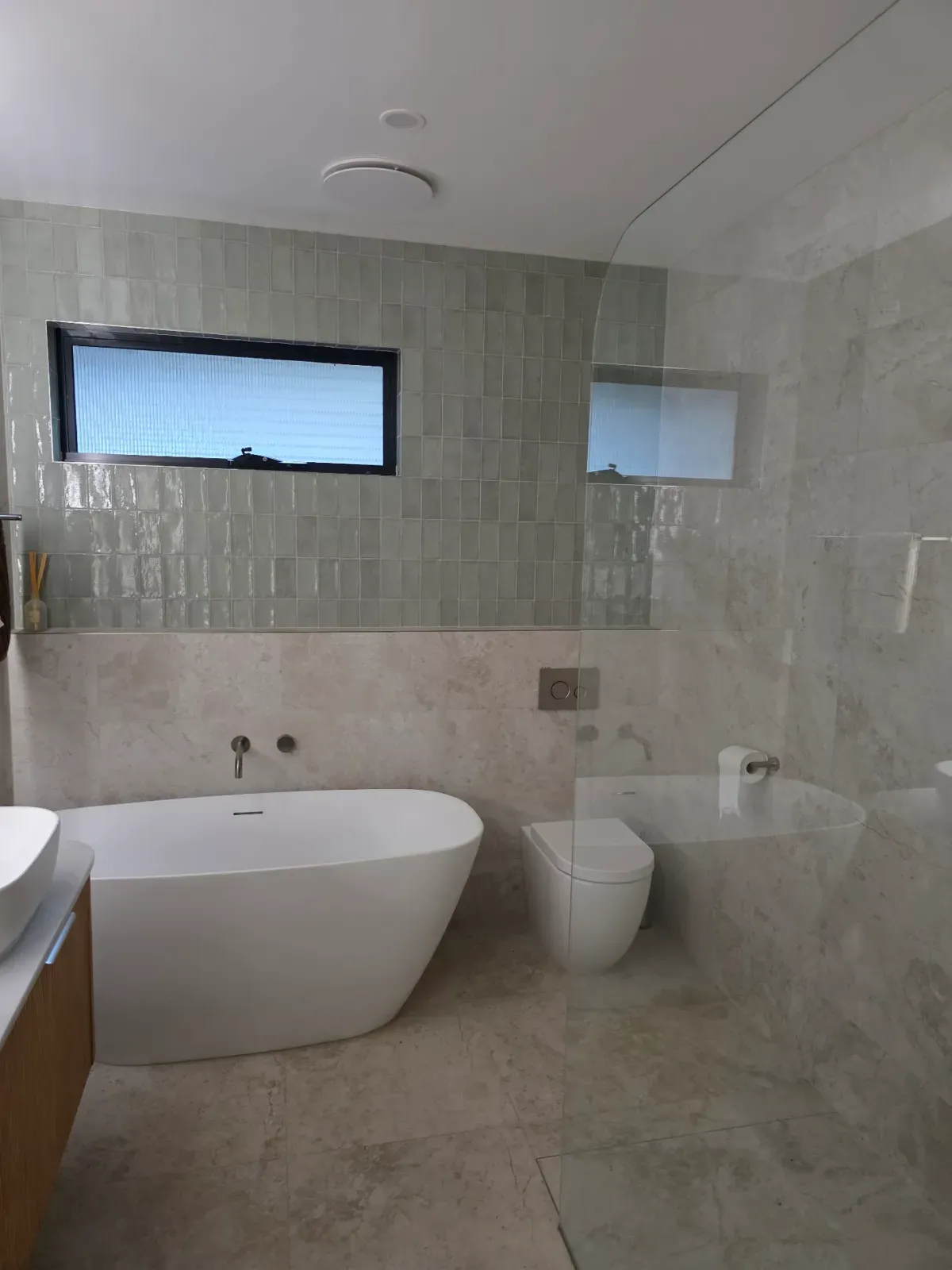
| Freestanding | Primary baths with floor space | Floor-mounted filler means plumbing through the floor |
Freestanding tubs
A freestanding tub needs room around it to clean and to get in, and a filler that rises from the floor or comes off the wall. The drain and supply lines are set before the floor tile goes down, so the tub has to be chosen, and its drain position known, before demolition.